
Sandwich Guide: A Comprehensive Overview (Updated 12/24/2025)
Today, December 24th, 2025, embark on a flavorful journey! This guide explores the history, types, and recipes of the beloved sandwich, a culinary staple worldwide.
What is a Sandwich? Defining the Classic
A sandwich, at its most fundamental, is a delightful culinary creation typically constructed with two or more slices of bread embracing one or more fillings. However, the definition extends to include a single slice of bread adorned with toppings – commonly known as an open-faced sandwich. This versatile food item has cemented its place as a widely popular choice, particularly for lunches.
Its portability makes it ideal for work, school, or leisurely picnics. The simplicity of the sandwich belies its incredible adaptability; fillings can range from simple slices of meat and cheese to elaborate combinations of vegetables, spreads, and proteins. Essentially, a sandwich is a convenient and customizable meal, reflecting a long history of culinary innovation and global adaptation, offering diverse types and inspiring countless recipes.
The History of the Sandwich: From Earl of Sandwich to Global Phenomenon
While the act of placing food between bread likely predates written records, the sandwich as we know it gained its name in the 18th century. John Montagu, the 4th Earl of Sandwich, is credited with popularizing this convenient eating method, reportedly consuming meat between bread slices while engrossed in his work at his desk. This allowed him to continue gambling without interrupting his game!
From this humble origin, the sandwich rapidly evolved, spreading beyond England and becoming a global phenomenon. Different cultures embraced the concept, adapting it with local ingredients and flavors, resulting in a stunning array of types. Today, the sandwich represents more than just a meal; it’s a testament to culinary ingenuity and a cornerstone of diverse recipes worldwide, showcasing a rich history.
The Earl of Sandwich: The Origin Story
John Montagu, the 4th Earl of Sandwich (1718-1792), wasn’t initially seeking to revolutionize lunchtime. Accounts suggest his motivation was purely practical. A dedicated gambler, the Earl reportedly requested meat served between two slices of bread to avoid interrupting his lengthy gaming sessions. This allowed him to eat with one hand while continuing to play cards with the other – a truly efficient solution!
While some speculate he preferred this method for political reasons, wanting to remain at his desk during work, the gambling story remains the most popular. Regardless of the precise reason, his associates soon began requesting “the same as Sandwich,” and the name stuck. Thus, a convenient eating habit born from a nobleman’s pastime inadvertently gave birth to a global culinary icon, forever linking his name to this beloved food type.
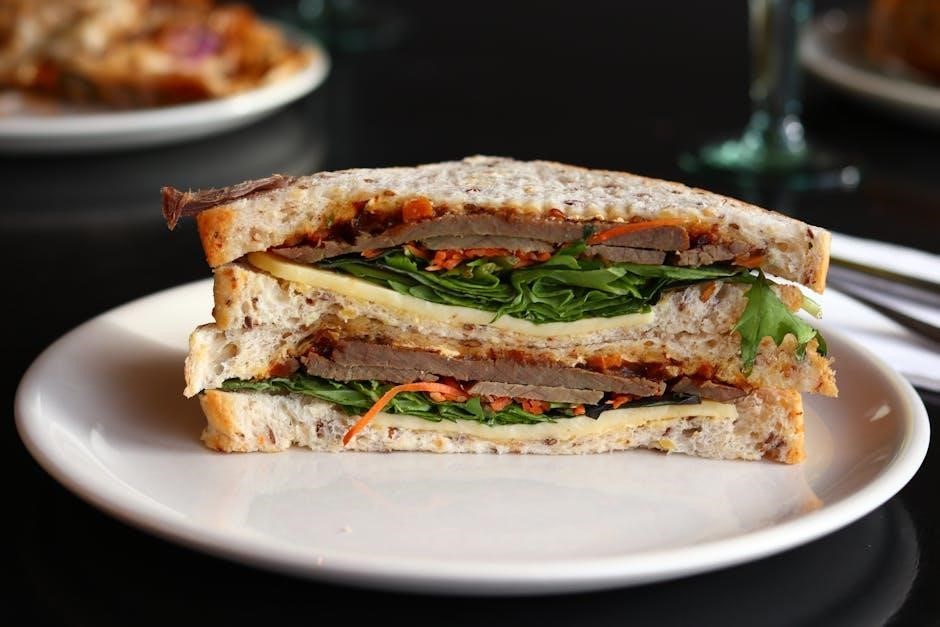
Types of Sandwiches: A Global Exploration
From Vietnamese Banh Mi to French Croque Monsieur, sandwiches showcase diverse culinary traditions! Explore hot and cold varieties, plus open-faced delights.
Hot vs. Cold Sandwiches: Key Differences

Hot sandwiches, often grilled or toasted, deliver a comforting warmth and melty textures. Think of a classic Reuben or a perfectly pressed Panini – the heat transforms the ingredients, creating a cohesive and satisfying experience. These frequently utilize heated proteins and cheeses, enhancing flavor profiles.
Cold sandwiches, conversely, emphasize fresh, crisp ingredients. They rely on the quality of the components – thinly sliced meats, vibrant vegetables, and flavorful spreads – to shine. A traditional club sandwich or a simple ham and cheese exemplifies this approach. Cold sandwiches are ideal for portability and quick meals.
The primary difference lies in temperature and preparation. Hot sandwiches require cooking, while cold sandwiches are assembled without heat. This impacts ingredient choices and overall texture. Both offer unique advantages, catering to different preferences and occasions, solidifying the sandwich’s versatility.
Open-Faced Sandwiches: A Scandinavian Tradition
Open-faced sandwiches, known as smørrebrød in Denmark and widely enjoyed across Scandinavia, represent a unique approach to sandwich construction. Unlike the enclosed format common elsewhere, these feature a single slice of buttered rye bread topped with a variety of ingredients.
This tradition emphasizes visual appeal and balanced flavors. Toppings range from pickled herring and smoked salmon to roast beef and liver pâté, often adorned with fresh herbs, vegetables, and sauces. The focus is on showcasing each ingredient individually, creating a harmonious bite.
Historically, smørrebrød evolved as a substantial lunch for workers, providing a filling and nutritious meal. Today, it’s celebrated for its artistry and culinary creativity. It’s a testament to Scandinavian resourcefulness and appreciation for simple, high-quality ingredients, offering a delightful culinary experience.
Classic American Sandwiches: Reuben, Club, and More
American sandwich culture boasts a rich history, yielding iconic creations enjoyed for generations. The Reuben, born in the early 20th century, combines corned beef, Swiss cheese, sauerkraut, and Russian dressing on grilled rye bread – a tangy, savory masterpiece.
The Club Sandwich, a layered delight, typically features turkey or chicken, bacon, lettuce, tomato, and mayonnaise between three slices of toasted bread, often cut into quarters. These sandwiches represent American ingenuity and a love for hearty flavors.
Beyond these, classics like the Philly Cheesesteak, BLT, and Monte Cristo showcase regional variations and culinary innovation. Many once-beloved sandwiches are fading, evoking nostalgia. These enduring recipes continue to define American lunchtime traditions, offering comfort and satisfying tastes.

European Sandwich Varieties: French Croque Monsieur, Italian Panini
Europe presents a diverse landscape of sandwich traditions, each reflecting local ingredients and culinary styles. The French Croque Monsieur, a bistro staple, features ham and Gruyère cheese, topped with béchamel sauce and often broiled to golden perfection – a rich and comforting indulgence.
Italy’s Panini, traditionally grilled or pressed, showcases a variety of fillings, from prosciutto and mozzarella to roasted vegetables and pesto, all nestled between crusty bread. These sandwiches exemplify European dedication to quality ingredients and simple, yet flavorful, preparations.
Beyond these, Spain’s Bocadillo, Germany’s Belegtes Brötchen, and the UK’s filled rolls demonstrate the continent’s sandwich creativity. Each bite offers a glimpse into regional cultures and a celebration of European gastronomy.
Asian Sandwich Inspirations: Vietnamese Banh Mi, Japanese Katsu Sando
Asian cuisine offers unique and vibrant takes on the sandwich concept, blending textures and flavors in exciting ways. The Vietnamese Banh Mi, a legacy of French colonialism, combines a crispy baguette with savory fillings like grilled pork, pickled vegetables, cilantro, and spicy chili – a harmonious balance of sweet, sour, and spicy.
Japan’s Katsu Sando elevates simplicity to an art form. This sandwich features a thick slice of tender, breaded and deep-fried pork cutlet (tonkatsu) between soft, white bread, often with a tangy sauce. It’s a testament to Japanese precision and dedication to quality.
These sandwiches, alongside Korean street toast and Filipino pan de sal variations, demonstrate Asia’s innovative approach to this global favorite.

Sandwich Ingredients: Building Blocks of Flavor
Sandwich perfection relies on quality ingredients: bread, protein, cheese, vegetables, and sauces. These elements combine to create diverse and delicious flavor profiles.
Bread Choices: Sourdough, Rye, White, and Beyond
Bread is the foundational element of any exceptional sandwich, significantly impacting its overall texture and taste. The options are remarkably diverse, extending far beyond simple white bread. Sourdough, with its tangy flavor and chewy crust, provides a robust base for hearty fillings. Rye bread, often associated with deli classics like pastrami on rye, offers a distinctive, slightly sour note.
Traditional white bread remains a popular choice for its soft texture and neutral flavor, making it versatile for various fillings. However, exploring beyond these staples unlocks a world of possibilities. Consider whole wheat for added nutrients and a nutty flavor, or multigrain for a more complex texture; Ciabatta, with its airy crumb and rustic crust, is excellent for Italian-inspired sandwiches. Even baguettes, sliced lengthwise, can create impressive and flavorful creations. The ideal bread choice depends entirely on the desired sandwich profile, complementing and enhancing the other ingredients.
Protein Power: Meats, Poultry, and Seafood
The protein component is central to a satisfying sandwich, offering both flavor and substance. Classic choices include a wide array of meats, from thinly sliced roast beef and savory pastrami to hearty ham and spicy salami. Poultry provides a lighter alternative; turkey and chicken are incredibly versatile, lending themselves to diverse flavor combinations.
Don’t overlook the potential of seafood! Tuna salad remains a perennial favorite, while smoked salmon elevates a sandwich to gourmet status. For those seeking bolder flavors, consider shrimp or even crab. The key is selecting a protein that complements the other ingredients and provides a satisfying textural contrast. High-quality protein is paramount; opting for freshly sliced deli meats or responsibly sourced seafood will significantly enhance the overall sandwich experience.
Cheese Selection: Complementing Flavors
Cheese plays a crucial role in a sandwich, adding richness, texture, and complementary flavors. The possibilities are vast, ranging from mild and creamy to sharp and pungent. Cheddar, in its various ages, offers a familiar and comforting base, while Swiss provides a nutty sweetness. For a bolder taste, consider provolone, Monterey Jack, or even a spicy pepper jack.
Don’t be afraid to experiment with more sophisticated options like brie, gouda, or blue cheese, but ensure they harmonize with the other ingredients. The right cheese can elevate a simple sandwich to something extraordinary. Consider the protein – a robust roast beef pairs well with a sharp cheddar, while delicate turkey benefits from a milder Swiss. Texture is also key; a creamy cheese contrasts beautifully with crunchy vegetables.
Vegetable Variety: Adding Texture and Freshness
Vegetables are essential for injecting vibrancy, crunch, and nutritional value into any sandwich. Lettuce, beyond iceberg, offers romaine’s crispness, spinach’s earthiness, or arugula’s peppery bite. Tomatoes, when in season, provide juicy sweetness, while onions – red, white, or caramelized – contribute pungent depth. Don’t overlook the versatility of pickles, offering a tangy counterpoint to richer fillings.
Beyond the basics, consider adding roasted red peppers for smoky sweetness, sliced cucumbers for cool refreshment, or sprouts for a delicate crunch. The key is balance; avoid overloading the sandwich, ensuring each vegetable complements the overall flavor profile. Properly prepared vegetables enhance both the taste and the textural experience, transforming a simple sandwich into a delightful culinary creation.
Sauces and Spreads: The Finishing Touch
Sauces and spreads are the conductors of flavor, harmonizing all sandwich components. Mayonnaise, a classic, provides creamy richness, while mustard – Dijon, yellow, or whole-grain – offers tangy zest. Hummus lends a Mediterranean flair, and pesto bursts with herbaceous freshness. Consider flavored aiolis for a gourmet touch, or spicy sriracha mayo for a kick.
Beyond traditional options, explore fruit-based chutneys, savory jams, or even a simple olive tapenade. The right spread not only adds moisture but also elevates the entire sandwich experience. Remember to apply spreads judiciously, ensuring they complement, not overwhelm, the other ingredients. A well-chosen sauce or spread is the final, crucial element in crafting a truly exceptional sandwich.

Making the Perfect Sandwich: Techniques and Tips
Mastering sandwich construction involves strategic layering, proper bread preparation, and appealing presentation for maximum flavor distribution and a delightful eating experience.
Layering Techniques: Maximizing Flavor Distribution
Achieving sandwich perfection hinges on thoughtful layering, a technique often overlooked but crucial for balanced bites. Begin with a protective barrier – a spread like mayonnaise or mustard – to prevent soggy bread. Next, position proteins strategically; heavier meats benefit from direct bread contact.
Cheese placement is key; layering it near the protein allows for gentle melting from the filling’s warmth. Vegetables should follow, offering textural contrast and freshness. Consider the moisture content; wetter vegetables like tomatoes should be separated from the bread with a leaf of lettuce;
Finally, distribute sauces evenly to ensure every bite is flavorful. Avoid piling ingredients high in one spot; aim for consistent distribution across the entire surface area. This ensures a harmonious blend of flavors and textures in every mouthful, elevating your sandwich from good to extraordinary!
Bread Preparation: Toasting, Buttering, and More
The foundation of any great sandwich is, undeniably, the bread. Proper preparation significantly impacts the final result. Buttering, a classic technique, creates a moisture barrier, preventing soggy bread and adding richness. Apply a thin, even layer, extending to the edges for maximum protection and flavor.
Toasting offers textural contrast and enhances flavor. Lightly toasted bread provides structural integrity, while more substantial toasting delivers a satisfying crunch. Consider the filling; delicate fillings pair well with softer bread, while robust fillings benefit from a sturdier, toasted base.
Beyond buttering and toasting, explore alternative preparations like grilling or brushing with olive oil. Ultimately, the goal is to create a bread canvas that complements and elevates the sandwich’s overall experience.
Cutting and Presentation: Making it Appealing
A visually appealing sandwich is as important as a delicious one! Cutting techniques dramatically influence the eating experience and presentation. A diagonal cut creates two attractive triangles, showcasing the layers within and offering a larger surface area for dipping. A straight cut provides a more traditional, symmetrical look.
Consider the sandwich’s size and filling when choosing a cutting method. Larger sandwiches may benefit from being cut into smaller portions. Secure the sandwich with toothpicks if necessary, especially for taller creations, preventing ingredient spillage.
Presentation elevates the entire experience; Arrange the sandwich artfully on a plate, accompanied by complementary sides. Garnishes like pickles or a sprig of parsley add a touch of freshness and visual appeal. Remember, we eat with our eyes first!

Sandwich Recipes: Inspiration for Your Next Creation
Discover classic and modern sandwich recipes! From timeless favorites to innovative twists, find inspiration to build awesome stacks and enjoy global flavors.

Classic Recipes: Step-by-Step Guides
Revisit timeless favorites with our detailed, step-by-step guides! We begin with the iconic Reuben, layering corned beef, Swiss cheese, sauerkraut, and Russian dressing on rye bread, grilled to golden perfection. Next, master the Club Sandwich – turkey, bacon, lettuce, tomato, and mayonnaise stacked high between three slices of toasted bread, cut into quarters.
For a taste of simplicity, learn to create a perfect BLT: crispy bacon, fresh lettuce, and ripe tomato, enhanced with mayonnaise on toasted bread. Don’t forget the classic grilled cheese, a comforting staple of melted cheese between buttered bread. Each recipe includes precise ingredient measurements and clear instructions, ensuring success for sandwich enthusiasts of all levels. These recipes represent a cornerstone of sandwich history and culinary tradition, offering a delightful experience with every bite.
Modern Twists: Innovative Sandwich Ideas
Elevate your sandwich game with these exciting, contemporary creations! Try the Spicy Korean Pork Sandwich, featuring gochujang-marinated pork, kimchi slaw, and a sriracha mayo on a toasted brioche bun. For a vegetarian delight, explore the Mediterranean Veggie Stack – grilled halloumi, roasted red peppers, hummus, and spinach on whole-wheat pita bread.
Indulge in the Fig and Prosciutto Panini, a sweet and savory combination with balsamic glaze and arugula pressed between crusty Italian bread. Or, venture into the world of fusion with a Japanese-inspired Katsu Chicken Sandwich, featuring panko-crusted chicken, tonkatsu sauce, and shredded cabbage. These innovative types of sandwiches demonstrate how classic concepts can be reimagined, offering a fresh perspective on this beloved food item, building upon its rich history.
Leave a Reply