
IEP Data Collection Sheets PDF: A Comprehensive Guide
IEP data collection sheets, often in PDF format, are vital tools for educators, streamlining the tracking of student progress and informing individualized education programs.
What are IEP Data Collection Sheets?
IEP data collection sheets are structured documents, frequently available as PDFs, designed to systematically record a student’s progress toward their Individualized Education Program (IEP) goals. These sheets serve as a central repository for observations, assessments, and quantifiable data related to a student’s academic performance, behavioral patterns, and skill development.
They facilitate consistent monitoring by IEP teams, encompassing educators, parents, and specialists. Utilizing these forms ensures objective data informs decisions regarding program adjustments and interventions. They move beyond anecdotal evidence, providing concrete insights into a student’s learning journey and the effectiveness of implemented strategies.
Why are IEP Data Collection Sheets Important?
IEP data collection sheets, often utilized as PDFs, are fundamentally important for demonstrating student progress and the effectiveness of IEP interventions. They provide concrete evidence for IEP meetings, fostering collaborative decision-making among team members – educators, parents, and specialists.
Consistent data collection supports informed adjustments to a student’s program, ensuring it remains aligned with their evolving needs. Furthermore, these sheets are crucial for legal compliance, documenting adherence to IEP mandates. Accurate records protect both the student and the school, showcasing a commitment to individualized support and accountability.
Types of Data Collected for IEPs
IEP data collection sheets, frequently found as PDFs, facilitate tracking diverse data points. Academic performance data includes grades, test scores, and work sample analysis. Behavioral data monitors frequency, duration, and intensity of behaviors, often using observation forms.
Progress monitoring data assesses student growth towards IEP goals, utilizing curriculum-based measurements. Data collection also encompasses social-emotional learning (SEL) observations and communication logs. These varied data types, meticulously recorded on dedicated sheets, paint a comprehensive picture of a student’s strengths and areas needing support.
Academic Performance Data

IEP data collection sheets, often in PDF format, are crucial for documenting academic progress. This data includes standardized test scores, classroom grades, and results from curriculum-based assessments. Teachers utilize these sheets to record student performance across various subjects, identifying specific skill deficits.
Work samples, such as writing assignments or math problems, are also documented. Tracking academic data allows IEP teams to measure a student’s response to interventions and adjust instructional strategies accordingly, ensuring academic goals are met effectively.
Behavioral Data
IEP data collection sheets, frequently available as PDFs, are essential for monitoring student behavior. These sheets document the frequency, duration, and intensity of target behaviors, both positive and challenging. Observations are recorded, noting antecedents and consequences to identify patterns.
Data collection methods like frequency counting and interval recording are commonly used. This information helps IEP teams develop behavior intervention plans (BIPs) and track their effectiveness. Accurate behavioral data is vital for creating a safe and supportive learning environment for all students.
Progress Monitoring Data
IEP data collection sheets, often utilized in PDF format, are crucial for tracking a student’s progress toward their individualized goals. These sheets allow educators to regularly assess skill development and adjust instruction accordingly. Data points are collected frequently – weekly or bi-weekly – to demonstrate growth or identify areas needing intervention.
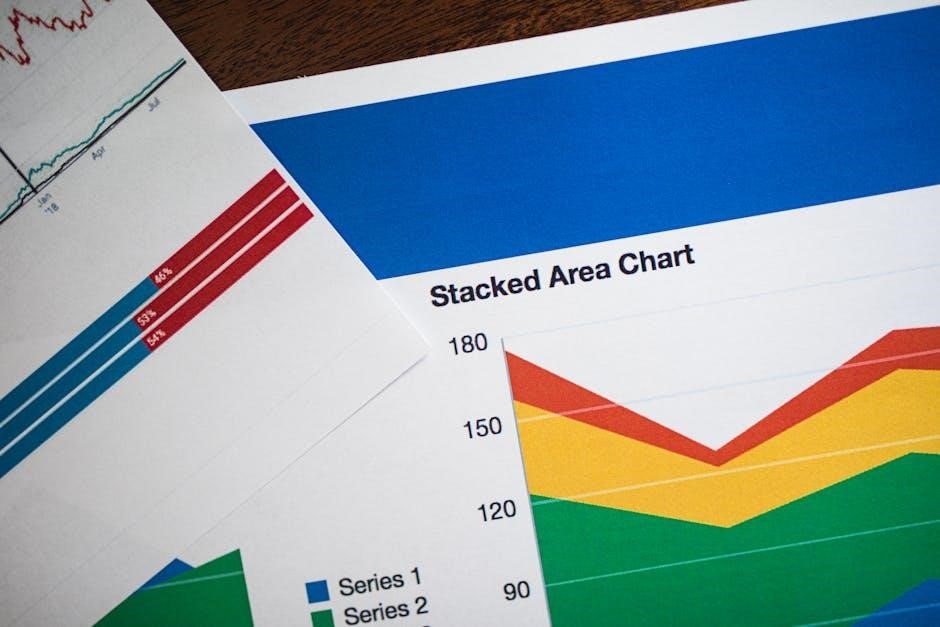
This data informs IEP team decisions regarding goal modification and service delivery. Utilizing graphs and charts within the PDF sheets visually represents progress, making it easier to understand and communicate student outcomes; Consistent progress monitoring ensures accountability and maximizes student achievement.
Key Components of Effective IEP Data Collection Sheets
IEP data collection sheets, frequently found as PDFs, require specific elements for effectiveness. A clear student information section – name, date of birth, IEP dates – is fundamental. Goal-specific data tracking sections, aligned with measurable objectives, are essential. These sheets must detail data collection methods, specifying how information will be gathered (frequency, duration, etc.).
Well-designed sheets incorporate space for dates, data entries, and staff initials for accountability. They should be user-friendly, promoting consistent and accurate data recording. Utilizing standardized forms, often available as PDF templates, enhances organization and comparability.
Student Information Section
The student information section of IEP data collection sheets, often in PDF format, is paramount for accurate record-keeping. This section typically includes the student’s full legal name, date of birth, student ID number, and grade level. Crucially, it details the IEP’s effective dates – start and review dates – ensuring data aligns with the current plan.
Furthermore, it often lists the case manager and relevant teachers involved. Clear identification prevents confusion and ensures data is correctly attributed. This foundational information establishes context for all subsequent data points collected on the sheet.
Goal-Specific Data Tracking
Goal-specific data tracking within IEP data collection sheets (often in PDF format) is the core of monitoring student progress. Each IEP goal requires a dedicated section, clearly stating the goal itself. This section includes specific data points aligned with the goal’s measurable objectives.
Sheets often feature space for baseline data, progress monitoring data collected over time, and notes on interventions used. Consistent tracking allows educators to determine if the student is making adequate progress towards mastering the goal, informing necessary adjustments to the IEP.
Data Collection Methods
IEP data collection sheets, frequently utilized as PDFs, necessitate clearly defined data collection methods. These methods ensure consistent and reliable information gathering. Common approaches include frequency counting – tallying how often a behavior occurs – and duration recording, measuring how long a behavior lasts.
Interval recording involves observing and noting if a behavior occurs within specific time intervals. Selecting the appropriate method depends on the IEP goal and the nature of the data being collected. Accurate method documentation within the PDF sheet is crucial for data interpretation.

Popular Data Collection Methods for IEPs
IEP data collection sheets, often distributed as PDFs, rely on several popular methods for tracking student progress. Frequency counting is simple, tallying occurrences of a specific behavior. Duration recording measures how long a behavior lasts, useful for attention or task completion.
Interval recording observes behavior within defined time segments, providing a snapshot of occurrence. These methods, when accurately documented on the PDF sheets, offer valuable insights. Choosing the right method aligns with the IEP goal and ensures meaningful data for informed decision-making.
Frequency Counting
Frequency counting, easily implemented using IEP data collection sheets (often in PDF format), involves simply tallying each instance of a target behavior during a specified period. This method is straightforward and effective for behaviors with a clear beginning and end, like raising a hand or disruptive outbursts.
PDF sheets designed for frequency counting typically include spaces for date, time, student name, and a tally column. Accurate and consistent recording is crucial. This method provides a quantifiable measure of behavior frequency, aiding in progress monitoring and IEP adjustments.
Duration Recording

Duration recording, facilitated by well-designed IEP data collection sheets (often available as PDFs), focuses on the length of time a behavior persists. This is particularly useful for behaviors that have a continuous nature, such as on-task engagement or self-stimulatory actions.
PDF forms for duration recording usually include fields to note the start and stop times of the behavior, allowing for calculation of the total duration. Consistent timing and accurate recording are essential. This method provides valuable insight into the maintenance and intensity of behaviors, informing IEP goal development.
Interval Recording
Interval recording, often implemented using IEP data collection sheets in PDF format, involves observing a student during specific time intervals and noting whether a target behavior occurs at any point during that interval. This method simplifies observation and provides a clear overview of behavioral patterns.
PDF sheets for interval recording typically feature a chart with pre-defined intervals. Educators mark whether the behavior was present or absent during each interval. This technique is effective for behaviors that occur frequently and helps determine the frequency of occurrences.
Creating Your Own IEP Data Collection Sheets
Creating custom IEP data collection sheets, often saved as PDFs, allows educators to tailor tracking to specific student needs and goals. While pre-made templates exist, personalization enhances effectiveness. Begin by clearly defining the target behavior or skill.
Design a sheet with sections for student information, the specific IEP goal, and a data recording area. Consider using checkboxes, tally marks, or space for narrative notes. Utilizing PDF editors simplifies formatting and ensures consistent documentation. Remember clarity and ease of use are paramount.
Using Templates & Forms
Utilizing pre-designed IEP data collection sheet templates, frequently available as PDFs, offers a quick start for educators. Numerous free resources provide various forms catering to academic performance, behavioral tracking, and progress monitoring. These templates often include sections for student details, goal statements, and data recording spaces.
However, remember to review and adapt the template to align with individual student IEP goals. PDF editors allow for customization, adding fields or modifying existing ones; This ensures the form accurately captures relevant data, streamlining the documentation process.
Customizing Sheets for Specific Goals

Effective IEP data collection hinges on tailoring sheets to each student’s unique objectives. While PDF templates provide a foundation, modification is often crucial. Consider the specific skills being measured – academic, behavioral, or social-emotional – and adjust the data points accordingly.
For example, a reading fluency goal requires different tracking than a behavior reduction target; Add specific prompts, rating scales, or frequency counters relevant to the goal. Utilizing PDF editing software allows for adding text boxes, checkboxes, or even digital signatures, ensuring a personalized and efficient data collection process.
Digital Tools for IEP Data Collection
Transitioning from traditional IEP data collection sheets PDF formats to digital tools offers significant advantages. Google Forms emerges as a popular, accessible option, enabling easy data input and automated organization. Specialized IEP software provides comprehensive solutions, often integrating data collection with goal tracking, progress reporting, and IEP document creation.
These platforms streamline workflows, reduce paperwork, and facilitate collaboration among team members. Digital tools also enhance data analysis capabilities, providing valuable insights into student progress and informing instructional decisions. Choosing the right tool depends on school resources and specific needs.
Google Forms for IEP Data
Leveraging Google Forms transforms traditional IEP data collection sheets PDF into dynamic, easily manageable digital tools. Educators can create customized forms to track specific goals, behaviors, or academic progress. This method simplifies data gathering, eliminating manual entry and reducing errors. Responses are automatically compiled into spreadsheets, facilitating quick analysis and reporting.
Google Forms’ accessibility and collaborative features allow multiple team members to contribute data seamlessly. Step-by-step tutorials demonstrate how to design effective forms for IEP meeting documentation, enhancing efficiency and data-driven decision-making.
Specialized IEP Software
Beyond Google Forms, dedicated IEP software offers comprehensive solutions for managing IEP data collection, moving beyond simple sheets PDF. These platforms often include built-in data tracking features, progress monitoring tools, and automated report generation. They streamline the entire IEP process, from goal setting to documentation and compliance.
Specialized software ensures data security and privacy, crucial for sensitive student information. Many integrate with student information systems, reducing redundant data entry. While often requiring a subscription, these tools significantly enhance efficiency and provide robust data analysis capabilities for informed IEP decisions.

Free Resources for IEP Data Collection Sheets PDF
Numerous online resources offer free IEP data collection sheets in PDF format, catering to diverse needs. Websites dedicated to special education frequently provide downloadable templates for tracking academic performance, behavior, and progress monitoring; Free data collection sheets are available for specific disabilities, like visual impairments, offering tailored tracking options.
Educators can find resources offering IEP goal tracking, communication logs, and general classroom forms. While these free options are valuable, verifying their alignment with local regulations and individual student needs is crucial. Remember to adapt and customize these sheets for optimal effectiveness.
Legal Considerations & Data Privacy
IEP data collection, including PDF-based records, is subject to stringent legal frameworks like FERPA and IDEA. Maintaining student data confidentiality is paramount; access should be limited to authorized personnel only. Data sheets must be stored securely, protecting sensitive information from unauthorized disclosure.
Educators must adhere to state and local policies regarding data retention and destruction. Parental consent is often required for data sharing beyond the IEP team. Proper documentation of data collection procedures demonstrates compliance and safeguards student rights, ensuring ethical and legal practices.
Best Practices for Using IEP Data Collection Sheets
Consistent data collection, utilizing IEP data collection sheets – even in PDF format – is crucial for accurate progress monitoring. Regular data analysis and review, ideally scheduled within IEP timelines, informs instructional adjustments and goal modifications.
Ensure all team members understand data definitions and collection methods. Data sheets should be completed promptly and objectively. Share data findings with parents during IEP meetings, fostering collaboration. Prioritize data-driven decision-making to maximize student outcomes and demonstrate program effectiveness.
Consistency in Data Collection
Maintaining consistency in data collection, even when using IEP data collection sheets in PDF format, is paramount. All staff involved must adhere to the same definitions, procedures, and schedules for recording observations. This minimizes bias and ensures reliable data for informed IEP decisions.
Regular training on data collection protocols is essential. Standardized data sheets, clearly outlining expectations, further promote uniformity. Consistent application allows for meaningful comparisons over time, accurately reflecting student progress and the effectiveness of interventions.
Regular Data Analysis & Review
Regular data analysis & review of information gathered using IEP data collection sheets, often in PDF format, is crucial. Don’t simply collect data; actively interpret trends and patterns to assess student progress toward IEP goals. This process should involve the entire IEP team.
Scheduled meetings dedicated to data review allow for collaborative decision-making. Are interventions effective? Do goals need adjustment? Consistent analysis informs program modifications and ensures the IEP remains a dynamic, responsive document tailored to the student’s evolving needs.
Troubleshooting Common Issues with IEP Data Collection
Troubleshooting challenges with IEP data collection sheets, often in PDF format, is essential for accurate progress monitoring. Inconsistent data arises from varying observation methods or infrequent recording; standardize procedures and provide team training. A lack of clear goals hinders meaningful data collection – ensure IEP goals are SMART (Specific, Measurable, Achievable, Relevant, Time-bound).
Address incomplete forms promptly and establish clear expectations for data submission. Utilizing digital tools can minimize errors and improve data integrity. Regular review of data collection processes identifies and resolves systemic issues.
Inconsistent Data
Inconsistent data within IEP data collection sheets, frequently in PDF format, undermines the reliability of progress monitoring. This often stems from differing interpretations of behavioral anchors or varying levels of detail recorded by team members. Standardizing data definitions and providing comprehensive training on data collection protocols are crucial first steps.
Regular calibration exercises, where team members jointly observe and record data, can improve consistency. Implementing digital data collection tools with pre-defined options can also minimize subjective interpretations and ensure uniformity across observations.
Lack of Clear Goals
A significant challenge when utilizing IEP data collection sheets, often in PDF format, is a lack of clear goals. If IEP goals are vaguely defined or lack measurable components, data collection becomes ineffective. Ambiguous goals make it difficult to determine if a student is making meaningful progress, rendering the collected data largely unusable.
Goals must be SMART – Specific, Measurable, Achievable, Relevant, and Time-bound. Revisiting and refining IEP goals to ensure clarity is paramount before initiating data collection. Well-defined goals directly inform the data points to be tracked.
Leave a Reply