
Guided Bear Hunts in Tennessee: A Comprehensive Overview
Tennessee offers exceptional black bear hunting, and guided hunts enhance success rates through expert knowledge of terrain, bear behavior, and TWRA regulations.
Reputable guides provide access to prime hunting locations, ensuring a safe and ethical hunting experience, while navigating legal requirements effectively.
Choosing a guide service involves considering experience, references, and cost, with packages varying based on duration, amenities, and included services.
Understanding Tennessee Black Bear Hunting
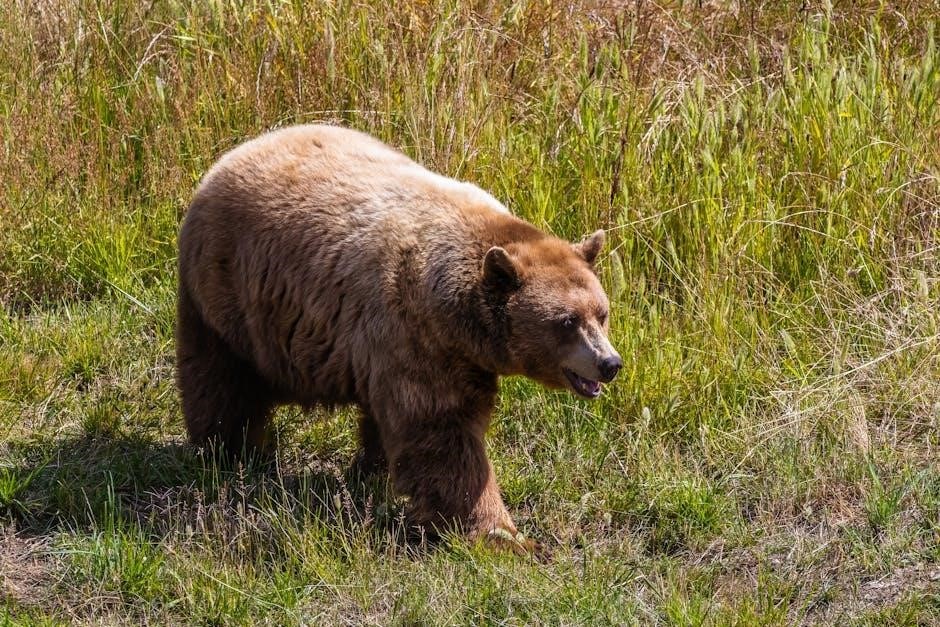
Tennessee’s black bear population thrives, offering hunters a challenging and rewarding experience. Successful hunts require understanding bear behavior, including feeding patterns and seasonal movements, particularly during the fall as they prepare for winter. Knowledge of preferred habitats – dense forests, mast-producing areas, and secluded thickets – is crucial for locating bears.
Hunters must be proficient in identifying bear sign, such as tracks, scat, and rubs, to pinpoint active areas. Ethical hunting practices and respect for wildlife are paramount, emphasizing fair chase and responsible harvest. Familiarity with Tennessee Wildlife Resources Agency (TWRA) regulations is essential for legal and safe participation.
Legal Framework for Bear Hunting in Tennessee
TWRA establishes strict regulations governing bear hunting, including licensing, seasons, and legal transport of harvested animals, ensuring sustainable population management.
Compliance with these rules is mandatory for all hunters, guided or independent, to avoid penalties and uphold conservation efforts.
Tennessee Wildlife Resources Agency (TWRA) Regulations
The TWRA meticulously governs all aspects of bear hunting within the state, prioritizing both hunter safety and the long-term health of the bear population. Regulations dictate permissible hunting methods, prohibiting baiting in most areas and outlining specific rules for bear dog hunting.
Hunters must adhere to strict tagging and reporting requirements following a harvest, ensuring accurate data collection for population monitoring. Furthermore, the unlawful hunting, possession, or transport of bear carries significant penalties, as outlined in the Tennessee Code.
Staying informed about these evolving regulations is crucial, and the TWRA actively solicits public input during comment periods to refine its management strategies.
Hunting Seasons and Dates
Tennessee’s bear hunting seasons are carefully structured by the TWRA to balance harvest opportunities with population conservation. Typically, bear hunting seasons are split into archery, firearms, and muzzleloader phases, each with specific dates.
Guided hunts often align with these established seasons, but guides possess up-to-date knowledge of zone-specific openings and closures. Hunters should confirm the exact dates applicable to their chosen hunting unit before booking a guided trip.
Season dates can vary annually based on population assessments, so consulting the current TWRA hunting guide is essential for accurate planning.
License and Permit Requirements
Tennessee mandates specific licenses and permits for all bear hunters, even those participating in guided hunts. A valid Tennessee hunting license is foundational, alongside a dedicated bear hunting permit or tag.
Hunters must also adhere to TWRA’s regulations regarding tagging harvested bears immediately upon kill, and proper transport of bear parts. Guided hunt operators often assist with navigating these requirements,
However, ultimate responsibility rests with the hunter to ensure full compliance with all TWRA regulations to avoid penalties.
The Role of Guided Hunts
Guided bear hunts in Tennessee offer significant advantages, including expert navigation of TWRA regulations, access to prime hunting areas, and increased success rates.
Experienced guides provide valuable insights into bear behavior and employ effective hunting strategies, enhancing the overall hunting experience for clients.
Choosing a reputable guide ensures a safe, ethical, and legally compliant hunt, maximizing the chances of a successful harvest.
Benefits of Hunting with a Guide
Hunting with a seasoned guide in Tennessee dramatically increases your chances of a successful bear hunt. Guides possess intimate knowledge of local bear populations, their movements, and preferred habitats, significantly reducing scouting time.
Expertise in TWRA regulations ensures full compliance, avoiding potential legal issues. They handle logistics like permits and tagging, allowing hunters to focus solely on the hunt.
Furthermore, guides provide access to private lands often inaccessible to the public, offering superior hunting opportunities. Safety is paramount, as guides are trained in bear safety and wilderness first aid, ensuring a secure experience.
Choosing a Reputable Guide Service
Selecting a trustworthy guide service is crucial for a successful and ethical Tennessee bear hunt. Prioritize services with demonstrable experience and positive client testimonials, verifying their track record.
Inquire about licensing and insurance, ensuring the outfitter operates legally and responsibly. A reputable guide will readily provide references and detailed information about their hunting practices.
Clarify what’s included in the package – lodging, meals, transportation, and trophy care – to avoid hidden costs. Confirm their knowledge of TWRA regulations and commitment to fair chase principles before committing.
Cost Considerations for Guided Hunts
Guided bear hunts in Tennessee vary significantly in price, typically ranging from $2,500 to $6,000 or more, depending on the hunt’s duration and included amenities. Factors influencing cost include the quality of lodging, meals provided, and transportation services.
Additional expenses to budget for include hunting licenses, permits, trophy fees (if applicable), and gratuities for the guide and staff. Some packages may exclude processing and taxidermy costs.
Carefully compare packages and understand exactly what is covered before making a decision, ensuring transparency and avoiding unexpected charges during your hunt.

Hunting Techniques and Strategies
Tennessee hunters employ spotting and stalking, baiting (with restrictions), and bear dog hunting, adhering to TWRA regulations for ethical and legal harvests.
Successful strategies involve understanding bear behavior, utilizing appropriate weaponry, and adapting to varying terrain and weather conditions during the hunt.
Guides leverage their expertise to maximize opportunities, ensuring a challenging yet rewarding hunting experience within the state’s diverse landscapes.
Spotting and Stalking
Spotting and stalking relies on a hunter’s ability to locate bears through observation – glassing open areas, identifying tracks, or recognizing bear sign like rubs and scat.
Tennessee’s terrain often demands patience and physical fitness, as stalking requires navigating dense forests and rugged landscapes to get within shooting range.
Guided hunts significantly improve success, as experienced guides possess intimate knowledge of bear travel corridors and feeding areas, increasing the likelihood of a sighting.
Effective stalking involves utilizing wind direction, minimizing noise, and carefully approaching the bear, prioritizing a clean, ethical shot within the legal shooting hours.
Rifle hunters should focus on shot placement, especially in thick cover, while maintaining awareness of surroundings and potential escape routes for the animal.
Using Bait (Restrictions Apply)
Tennessee Wildlife Resources Agency (TWRA) regulations strictly govern the use of bait for bear hunting, with outright prohibition in certain areas and specific rules applying elsewhere.
It is unlawful to place bait to attract bears, and hunters must be fully aware of these restrictions to avoid legal penalties and ensure ethical hunting practices.
Guided hunts operating legally will adhere to all TWRA baiting regulations, or focus on alternative hunting methods like spot-and-stalk or bear dog hunting.
Hunters considering a guided hunt should verify the guide’s compliance with baiting laws, and understand the specific regulations for the designated hunting unit.
Compliance ensures fair chase and responsible wildlife management, protecting Tennessee’s bear population and maintaining the integrity of the hunting experience.
Bear Dog Hunting Regulations
Bear dog hunting is a permitted method in Tennessee, but operates under stringent TWRA regulations to ensure both hunter and canine safety, and responsible wildlife management.
Hunters participating in bear dog hunts must possess a valid bear hunting license, and adhere to specific rules regarding the number of dogs allowed and tracking protocols.
It is legal to take wild hogs during a proclaimed bear-dog hunt, provided the hunter has the appropriate license, offering a potential bonus opportunity.
Guided hunts specializing in bear dog hunting will navigate these regulations, providing experienced dogs and handlers, and ensuring a legal and ethical pursuit.
Understanding these regulations is crucial for a successful and compliant hunt, protecting both the dogs and the Tennessee bear population.

Weaponry and Ammunition
Rifle hunters should utilize .30 caliber or larger for Tennessee bear, focusing on shot placement in thick cover, ensuring ethical and effective harvests.
Shotgun and muzzleloader regulations exist, requiring hunters to understand ammunition types and compliance with TWRA guidelines for legal bear hunting.
Guided hunts often advise on appropriate weaponry, ensuring hunters are well-equipped and knowledgeable about legal requirements for a successful hunt.
Recommended Calibers for Bear Hunting
Selecting the appropriate caliber is crucial for a successful and ethical bear hunt in Tennessee. Generally, calibers .30 caliber or larger are highly recommended, providing sufficient stopping power for these large and potentially dangerous animals.
Popular choices include .30-06 Springfield, .308 Winchester, .338 Winchester Magnum, and .375 H&H Magnum. These calibers deliver the necessary energy and penetration to ensure a quick, clean kill, minimizing suffering for the bear.
Guided hunts often provide guidance on caliber selection based on the specific hunting location and anticipated shot distances, ensuring hunters are adequately prepared for the challenge.
Shotgun Considerations
Shotguns can be effective for bear hunting in Tennessee, particularly in thick cover where longer-range rifle shots are limited. However, careful consideration must be given to gauge, load, and range.
Typically, a 12-gauge shotgun loaded with slugs is the preferred choice, offering substantial stopping power at shorter distances. It’s vital to use slugs specifically designed for deer or bear, ensuring adequate penetration.
Guided hunts may restrict shotgun use based on terrain and hunting style, emphasizing responsible firearm selection and adherence to TWRA regulations for legal compliance.
Muzzleloader Regulations
Tennessee permits muzzleloader hunting for bear during designated seasons, offering a traditional and challenging hunting experience. However, specific regulations govern caliber, powder, and projectile types.
Typically, muzzleloaders must be at least .50 caliber, utilizing a single shot and loaded with black powder or a black powder substitute. Guided hunts often clarify these requirements.
Hunters must adhere to TWRA guidelines regarding ignition methods and the use of modern conveniences like inline muzzleloaders, ensuring fair chase and legal compliance during the hunt.
Hunting Areas and Zones in Tennessee
Tennessee designates specific bear hunting units with varying regulations, and guided hunts often focus on areas with higher bear populations and accessibility.
Public and private land options exist, each presenting unique challenges and opportunities, with guides providing expertise on navigating these diverse landscapes.
Understanding unit boundaries and restrictions is crucial for a legal and successful hunt, ensuring compliance with TWRA guidelines.
Designated Bear Hunting Units
Tennessee delineates specific bear hunting units, each governed by unique regulations and harvest quotas designed to manage bear populations effectively. Guided hunts frequently concentrate within these designated zones, leveraging the guide’s intimate knowledge of local bear concentrations and movement patterns.
Units are established based on bear density, habitat suitability, and landowner cooperation, offering hunters diverse hunting experiences. TWRA publishes detailed maps and regulations for each unit, outlining season dates, weapon restrictions, and any specific limitations. Guides expertly navigate these complexities, ensuring hunters remain compliant with all applicable laws and maximizing their chances of a successful, ethical hunt within the designated boundaries.
Areas with Specific Restrictions
Certain areas within Tennessee impose specific restrictions on bear hunting, often due to proximity to populated zones, sensitive habitats, or landowner agreements. Guided hunts meticulously adhere to these limitations, prioritizing safety and responsible wildlife management.
Restrictions may include prohibitions on baiting, limitations on hunting methods (like bear dogging), or complete closures during certain periods. Guides possess up-to-date knowledge of these regulations, ensuring hunters avoid unintentional violations. Respecting these restrictions is paramount, contributing to the long-term health of bear populations and maintaining positive relationships with landowners.
Public vs. Private Land Hunting
Tennessee offers bear hunting opportunities on both public and private lands, each presenting unique advantages and challenges. Guided hunts frequently utilize private land access, often resulting in higher success rates due to reduced hunting pressure and controlled bear populations.
Public land hunts require thorough knowledge of TWRA regulations and designated hunting units. Guides expertly navigate these complexities, ensuring compliance and maximizing hunting efficiency. Private land hunts often involve pre-arranged agreements, offering exclusive access and tailored hunting strategies.

Safety Precautions During a Bear Hunt
Guided hunts prioritize safety through comprehensive briefings on bear behavior, proper firearm handling, and essential first-aid training for hunters in Tennessee.
Hunter safety courses are strongly recommended, and guides ensure adherence to all TWRA safety regulations throughout the duration of the hunt.
Bear Behavior and Awareness
Understanding black bear behavior is crucial for a safe hunt; they possess incredible strength and unpredictable reactions when threatened, demanding respect and caution from hunters.
Guides educate clients on recognizing bear signs – tracks, scat, rubs – and interpreting their meaning to assess potential danger and locate active areas.
Awareness of surroundings is paramount, including wind direction to avoid scent detection, and being vigilant for cubs, as a sow will fiercely defend her young.
Proper food storage and campsite management are essential to prevent attracting bears, minimizing encounters and ensuring a secure hunting experience in Tennessee.
Hunter Safety Courses
Tennessee requires hunters to complete a TWRA-approved hunter safety course, covering firearm handling, wildlife identification, and ethical hunting principles before obtaining a license.
Guided hunts often emphasize safety briefings, reinforcing proper shooting techniques, bear encounter protocols, and communication strategies within the hunting party.
Experienced guides prioritize safety, ensuring clients understand safe zone-of-fire rules, proper tree stand usage, and emergency procedures in the event of an incident.
These courses and guide instruction are vital for responsible hunting, minimizing accidents, and promoting a culture of safety within the Tennessee hunting community.
First Aid and Emergency Preparedness
Guided bear hunts in Tennessee necessitate robust first aid and emergency preparedness plans due to the remote nature of hunting locations and potential wildlife encounters.
Reputable guides carry comprehensive first aid kits, including supplies for treating injuries like cuts, sprains, and potential bear-related trauma, alongside communication devices.
Clients should inform guides of any medical conditions or allergies, and guides will establish emergency evacuation protocols, including pre-arranged transportation options.
Knowledge of basic wilderness first aid and carrying personal safety items like whistles and signaling devices are crucial for a safe and responsible hunting experience.

Field Dressing and Processing Your Bear
Guided hunts often include field dressing assistance, ensuring proper handling of the harvest, adhering to TWRA regulations, and maintaining meat quality.
Guides demonstrate techniques for safe and hygienic processing, while offering options for transportation and connecting hunters with local taxidermists.
Legal requirements for field dressing must be followed, prioritizing responsible game care and respecting Tennessee’s wildlife resources.
Legal Requirements for Field Dressing
Tennessee law mandates immediate tagging of harvested bears, with the tag securely attached before moving the animal, as outlined by the TWRA.
Field dressing must occur in a sanitary manner, preventing contamination of the meat, and adherence to guidelines regarding carcass disposal is crucial.
Guided hunts typically ensure compliance with these regulations, with guides providing instruction and assistance. Hunters are responsible for understanding and following all TWRA rules regarding bear harvest and processing, including reporting requirements. Failure to comply can result in penalties, emphasizing the importance of responsible hunting practices.
Proper Handling of Bear Meat
Bear meat requires careful handling to ensure quality and safety, demanding prompt cooling after field dressing, ideally below 40°F, to prevent spoilage.
Guided hunts often include assistance with initial meat care, but hunters are ultimately responsible for proper transportation and storage.
Trichinosis is a concern, necessitating thorough cooking to an internal temperature of at least 160°F. TWRA resources offer guidance on safe handling practices, emphasizing hygiene and preventing cross-contamination. Responsible handling preserves the resource and ensures a wholesome harvest.
Taxidermy Options
Following a successful Tennessee bear hunt, many hunters choose taxidermy to preserve a lasting memento of their experience. Options range from full-body mounts to shoulder mounts and paw/claw preservation.
Guided hunt packages may include recommendations for reputable local taxidermists experienced with black bear work.
Proper skinning and freezing are crucial for quality taxidermy, and hunters should discuss these details with their chosen taxidermist promptly. Legal requirements regarding bear parts must be followed during the process.
Regulations Regarding Transporting and Tagging
Tennessee law mandates immediate tagging of harvested bears, with specific requirements for attaching tags and documenting the harvest with TWRA.
Legal transport requires the bear and tag to remain together, adhering to designated routes and reporting procedures for a compliant journey.
Failure to comply can result in penalties, emphasizing the importance of understanding and following all TWRA transport regulations diligently.
Tagging Requirements
Tennessee Wildlife Resources Agency (TWRA) regulations dictate that immediately upon harvesting a bear, hunters must properly affix the appropriate tag. This tag serves as legal documentation of the harvest and must remain securely attached to the bear at all times during transport.
The tag must be completed with accurate information, including the date, time, and location of the harvest, as well as the hunter’s license details. It is unlawful to hunt, possess, or transport a bear without a valid, properly attached tag. Hunters are responsible for understanding and adhering to these tagging requirements to ensure a legal and ethical hunt.
Detailed instructions regarding tag placement and completion are available in the TWRA hunting guide and on their official website, emphasizing the importance of thorough preparation before embarking on a guided bear hunt.
Legal Transport of Bear Parts
Tennessee law governs the legal transport of bear parts, requiring hunters to adhere to specific regulations to avoid penalties. Generally, the harvested bear, or its processed parts, must be transported directly from the hunting location to the hunter’s residence or a designated processing facility.
TWRA mandates that all bear parts must be accompanied by the properly completed harvest tag during transport. Detours for purposes other than direct transport to processing or home are prohibited. Hunters participating in guided hunts should confirm transport logistics with their guide to ensure full compliance.
Detailed information regarding legal transport requirements is available in the TWRA hunting guide, emphasizing the importance of understanding and following these rules.
Reporting Harvests to TWRA
Tennessee Wildlife Resources Agency (TWRA) requires all bear harvests to be reported promptly after the hunt concludes. This reporting is crucial for accurate population monitoring and effective wildlife management within the state’s bear hunting program.
Hunters, including those participating in guided hunts, must report their harvest details online through the TWRA website or via a designated phone number. Reporting typically involves providing information about the harvest location, date, and bear characteristics.
Timely and accurate reporting ensures TWRA can maintain a comprehensive understanding of the bear population and adjust hunting regulations accordingly, supporting sustainable hunting practices.
Current TWRA Public Comment Periods
TWRA actively seeks public input on proposed hunting regulation changes, including those impacting bear hunts and guided services, via online forums and meetings.
Hunters can voice opinions and contribute to shaping future regulations, ensuring responsible and sustainable bear management practices in Tennessee.
Participating in these comment periods is vital for advocating for fair chase and preserving the quality of guided bear hunting experiences.

Staying Informed About Regulation Changes
Staying current with TWRA regulations is crucial for both hunters and guide services in Tennessee. Regularly check the TWRA website for updates on hunting seasons, license requirements, and any changes to bear hunting rules.
Subscribe to TWRA email alerts and follow their social media channels for timely notifications regarding public comment periods and regulatory adjustments. Attending regional TWRA meetings provides direct access to information and opportunities to ask questions.
Knowledge of these changes ensures compliance and promotes ethical hunting practices, safeguarding the future of guided bear hunts within the state’s established legal framework.
Participating in the Regulatory Process
Tennessee hunters and guide services can actively shape bear hunting regulations by participating in TWRA’s public comment periods. These opportunities allow stakeholders to voice opinions on proposed rule changes, ensuring diverse perspectives are considered.
Submit written comments through the TWRA website or attend public meetings to express concerns or support for specific proposals. Engaging with the regulatory process demonstrates a commitment to responsible wildlife management and sustainable hunting practices.
Collective input from hunters and guides helps TWRA create effective regulations that balance conservation goals with the interests of the hunting community.
Ethical Hunting Practices
Guided hunts prioritize fair chase, respecting Tennessee wildlife and adhering to responsible hunter conduct. Ethical behavior ensures conservation and preserves hunting traditions;
Hunters should strive for quick, clean kills, properly utilizing harvested bear resources, and demonstrating reverence for the animal and the environment.
Upholding these principles maintains the integrity of guided hunts and fosters a positive image for the hunting community.
Fair Chase Principles
Guided bear hunts in Tennessee should always adhere to the principles of fair chase, ensuring a level playing field between hunter and animal. This means refraining from practices that give an unfair advantage, such as utilizing prohibited baiting methods, as outlined by TWRA regulations.
Ethical guides prioritize allowing the bear a reasonable opportunity to escape detection and avoid unnecessary suffering. Respectful pursuit, utilizing skill and knowledge rather than artificial means, is paramount. Fair chase isn’t merely about legality; it’s about upholding the sporting spirit of hunting and demonstrating respect for the magnificent Tennessee black bear population.
Responsible hunters understand that the challenge and the ethical manner of the hunt are as rewarding as the harvest itself.
Respect for Wildlife
Guided bear hunts in Tennessee necessitate a deep respect for the black bear and its habitat. This extends beyond legal compliance with TWRA regulations, encompassing a commitment to minimizing disturbance and ensuring the animal’s well-being.
Ethical guides demonstrate this respect by promoting responsible hunting practices, emphasizing quick, clean kills, and proper field dressing to honor the animal. Hunters should appreciate the bear’s role in the ecosystem and acknowledge the privilege of participating in a regulated harvest.

Conservation and reverence for wildlife are integral to a fulfilling hunting experience.
Responsible Hunter Conduct
Participating in guided bear hunts in Tennessee demands adherence to a high standard of hunter conduct. This includes strict compliance with all TWRA regulations regarding licensing, tagging, and transportation of harvested bears, ensuring legal and ethical practices.
Hunters must prioritize safety, both for themselves and others, by following guide instructions and practicing responsible firearm handling. Respectful interaction with landowners and fellow hunters is also crucial.
Maintaining a positive representation of the hunting community through responsible behavior is paramount.
Understanding Bear Population and Management
TWRA actively monitors Tennessee’s bear populations, assessing the impact of hunting and implementing conservation efforts to maintain healthy, sustainable bear numbers statewide.
Hunting plays a vital role in population control, guided by scientific data and public input during TWRA’s comment periods.
Effective management ensures the long-term viability of Tennessee black bears.
TWRA Bear Population Monitoring
The Tennessee Wildlife Resources Agency (TWRA) employs various methods to diligently monitor the state’s black bear population, ensuring its continued health and stability. TWRA utilizes techniques like harvest data analysis, radio telemetry, and DNA sampling from harvested bears to estimate population size and track distribution patterns.
These ongoing studies provide crucial insights into bear movements, reproductive rates, and overall population trends, informing management decisions and hunting regulations. TWRA also actively collaborates with researchers and landowners to gather data and address localized bear-human conflicts, contributing to a comprehensive understanding of bear ecology within Tennessee.

This proactive approach allows for adaptive management strategies, ensuring the long-term conservation of this valuable species.
Impact of Hunting on Bear Populations
Regulated bear hunting, as managed by the Tennessee Wildlife Resources Agency (TWRA), plays a vital role in maintaining a healthy and sustainable bear population within the state. Hunting serves as a key tool for controlling bear numbers, preventing overpopulation, and mitigating potential conflicts with humans.
TWRA carefully sets harvest quotas based on population estimates and monitoring data, ensuring that hunting pressure remains within acceptable limits. Selective harvesting, guided by regulations, can also help improve the overall genetic health of the bear population by removing less desirable individuals.
Responsible hunting practices contribute to long-term bear conservation.
Conservation Efforts
The Tennessee Wildlife Resources Agency (TWRA) actively engages in comprehensive bear conservation initiatives, including habitat management and population monitoring. These efforts focus on preserving crucial bear habitats, such as forested areas with abundant food sources, ensuring long-term sustainability.
TWRA conducts regular surveys and research to assess bear population size, distribution, and health, informing management decisions and hunting regulations. Public education programs promote responsible coexistence between humans and bears, minimizing conflicts.
Funding for these initiatives is often derived from hunting license fees and federal grants.

Frequently Asked Questions About Tennessee Bear Hunts
Common questions involve license requirements, legal hunting hours, tagging procedures, and acceptable weaponry; TWRA resources and experienced guides offer clarity.
Hunters often inquire about bear behavior, safety protocols, and field dressing techniques, ensuring a responsible and successful hunting experience.
Detailed information is available on the TWRA website and through reputable guide services.
Resources for Further Information
For comprehensive details regarding Tennessee black bear hunting regulations, the Tennessee Wildlife Resources Agency (TWRA) website (www.tn.gov/twra) is the primary source. It provides updated information on seasons, licensing, legal requirements, and public comment periods.
Reputable guide services operating within Tennessee often maintain detailed websites with information about their offerings, pricing, and hunting areas. Dive Bomb Industries and Sportsman’s Warehouse offer relevant insights. The Tennessee Chapter of Backcountry Hunters and Anglers Facebook page provides updates on regulatory changes and opportunities for hunter involvement.
Wide Open Spaces provides general information on Tennessee bear hunting, including details on field dressing and legal considerations. Consulting these resources ensures hunters are well-informed and compliant with all applicable laws.
Leave a Reply