Anesthesia Manual of Surgical Procedures: A Comprehensive Plan
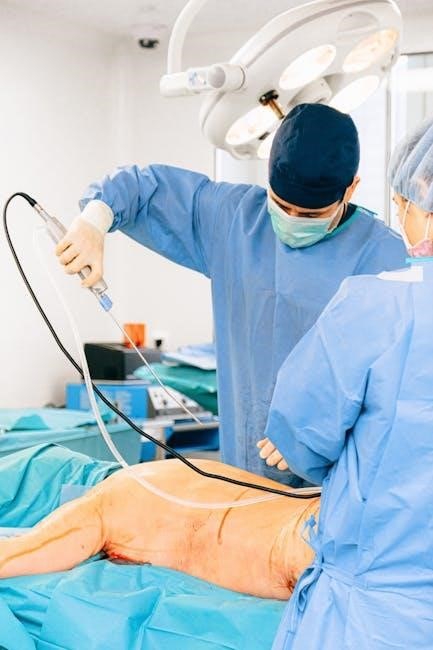
This manual details surgical anesthesia, covering techniques, drug selection, monitoring, and complication management for diverse procedures, ensuring patient safety and optimal outcomes․
Surgical anesthesia is a critical component of modern healthcare, enabling complex procedures with patient comfort and safety as paramount concerns․ This field encompasses a broad spectrum of techniques, ranging from local infiltration for minor interventions to general anesthesia for extensive surgeries like Cesarean sections․
Anesthesiologists, highly trained physicians, are responsible for evaluating patients, developing anesthetic plans, administering agents, and meticulously monitoring vital signs throughout the surgical process․ Effective anesthesia requires a deep understanding of physiology, pharmacology, and potential complications, including cardiovascular and respiratory challenges․
Collaboration with surgeons and nurses is essential for seamless care, as highlighted by recent studies emphasizing communication between medical teams․ This manual provides a comprehensive guide to best practices in surgical anesthesia, aiming to enhance patient outcomes and advance the field․
II․ Preoperative Assessment
A thorough preoperative assessment is foundational to safe anesthesia․ This begins with a detailed patient history, encompassing existing medical conditions, allergies, and previous surgical experiences․ A comprehensive physical examination evaluates the patient’s overall health, focusing on cardiovascular and respiratory systems․
Crucially, a meticulous medication review identifies potential drug interactions․ Patients should disclose all prescriptions, over-the-counter medications, and substance use, including smoking, vaping, or cannabis ingestion, as these factors significantly impact anesthetic management․
This assessment informs the anesthesiologist’s plan, minimizing risks and optimizing patient well-being throughout the surgical procedure and subsequent recovery․ Accurate information gathering is paramount for individualized care․

A․ Patient History & Physical Examination
Obtaining a comprehensive patient history is the cornerstone of preoperative evaluation․ This includes details of past medical illnesses, surgical interventions, and any existing allergies – particularly to medications or latex․ A focused inquiry into current medications, including herbal supplements, is essential to identify potential interactions․
The physical examination systematically assesses all major organ systems, with particular attention to the cardiovascular and respiratory status․ Airway assessment is critical, evaluating factors that might predict intubation difficulty․
Documenting pre-existing conditions and functional status allows for tailored anesthetic planning, minimizing risks and optimizing postoperative outcomes․ A thorough examination provides a baseline for intraoperative monitoring․
B․ Medication Review & Interactions
A meticulous review of the patient’s medication list is paramount, extending beyond prescribed drugs to include over-the-counter medications and herbal supplements․ Certain medications can significantly alter anesthetic requirements or increase the risk of adverse events․
Particular attention should be paid to anticoagulants, antiplatelet agents, and medications affecting neuromuscular function․ Interactions between anesthetics and these drugs can lead to bleeding complications or prolonged paralysis․
Smoking, vaping, and cannabis use also require documentation, as they impact respiratory function and anesthetic metabolism․ Identifying potential drug interactions proactively allows for appropriate adjustments to the anesthetic plan, ensuring patient safety․
III․ Types of Anesthesia
Anesthesia encompasses a spectrum of techniques tailored to the surgical procedure and patient characteristics․ General anesthesia induces a reversible loss of consciousness, utilizing intravenous and inhalational agents․ Regional anesthesia, including spinal and epidural blocks, numbs specific body regions, offering advantages for certain surgeries․
Nerve blocks provide localized anesthesia, ideal for smaller procedures․ Local anesthesia, applied directly to the surgical site, is suitable for minor interventions․ The choice depends on factors like surgical duration, patient health, and surgeon preference․
Each technique presents unique considerations regarding monitoring, potential complications, and postoperative recovery․
A․ General Anesthesia: Techniques & Considerations
General anesthesia involves inducing a controlled state of unconsciousness, typically through intravenous induction agents like propofol, ketamine, or etomidate․ Maintenance relies on inhalational anesthetics or Total Intravenous Anesthesia (TIVA), carefully titrated to maintain stable vital signs․
Airway management is crucial, often employing endotracheal intubation or supraglottic devices․ Hemodynamic stability requires vigilant monitoring and intervention for hypotension or hypertension․ Considerations include patient comorbidities, drug interactions, and potential for malignant hyperthermia․

Careful emergence from anesthesia is vital, ensuring a smooth transition to recovery․
B․ Regional Anesthesia: Spinal, Epidural & Nerve Blocks
Regional anesthesia provides analgesia to a specific body region, offering advantages like reduced systemic effects․ Spinal anesthesia involves injecting local anesthetic into the cerebrospinal fluid, ideal for lower abdominal or lower extremity procedures․ Epidural anesthesia utilizes a catheter placed in the epidural space, allowing continuous drug administration for labor or postoperative pain․
Nerve blocks target specific peripheral nerves, providing focused anesthesia for limb surgeries․ Ultrasound guidance enhances accuracy and safety․ Considerations include patient positioning, potential for hypotension, and monitoring for local anesthetic systemic toxicity (LAST)․
C․ Local Anesthesia: Applications in Minor Procedures
Local anesthesia involves injecting a local anesthetic directly into the surgical site, providing localized pain relief․ It’s ideal for minor procedures like laceration repairs, skin biopsies, and dental work․ Common agents include lidocaine, bupivacaine, and prilocaine, often combined with epinephrine to prolong duration and reduce bleeding;
Technique involves careful dose calculation based on patient weight and procedure duration․ Potential complications include allergic reactions, hematoma formation, and local anesthetic systemic toxicity (LAST), though rare․ Monitoring focuses on vital signs and observing for signs of toxicity․
IV․ Anesthetic Drug Selection
Anesthetic drug selection is crucial, tailored to the patient and procedure․ Induction agents like propofol, ketamine, and etomidate rapidly induce unconsciousness․ Maintenance utilizes inhalational anesthetics (sevoflurane, desflurane) or Total Intravenous Anesthesia (TIVA) with drugs like propofol and remifentanil․
Analgesia employs opioids (fentanyl, morphine) and non-opioid options (NSAIDs, acetaminophen) for pain control․ Considerations include patient comorbidities, drug interactions, and desired anesthetic depth․ Careful monitoring and titration are essential for optimal outcomes and minimizing side effects․
A․ Induction Agents: Propofol, Ketamine, Etomidate
Propofol provides rapid, smooth induction with minimal hangover, commonly used for most procedures․ Ketamine offers analgesia and maintains respiratory drive, valuable in hemodynamically unstable patients or for short procedures․ Etomidate is favored for its hemodynamic stability, ideal for critically ill patients, but can suppress adrenal function․
Dosage is weight-based, adjusted for patient factors․ Considerations include potential for apnea, hypotension, and allergic reactions․ Careful monitoring of vital signs is paramount․ These agents facilitate a controlled transition to maintenance anesthesia․
B․ Maintenance Agents: Inhalational Anesthetics & Total Intravenous Anesthesia (TIVA)
Inhalational anesthetics – sevoflurane, desflurane, isoflurane – offer dose-dependent control and are easily titratable, but can cause respiratory depression and myocardial effects․ Total Intravenous Anesthesia (TIVA), utilizing propofol and opioids, provides rapid recovery and avoids airway irritation․

Selection depends on surgical needs, patient comorbidities, and anesthetic goals․ Monitoring of end-tidal gas concentrations is crucial with inhalational agents․ TIVA requires precise drug administration and vigilant hemodynamic monitoring․ Both methods aim for stable anesthesia throughout the procedure․
C․ Analgesics: Opioids & Non-Opioid Pain Management
Effective pain control is paramount․ Opioids (morphine, fentanyl) provide potent analgesia but carry risks of respiratory depression and dependence․ Non-opioid analgesics – NSAIDs, acetaminophen, ketamine – offer multimodal approaches, reducing opioid requirements․
Regional anesthesia significantly minimizes postoperative pain․ Adjunctive techniques like nerve blocks and local anesthetic infusions enhance analgesia․ Careful titration and monitoring are essential to balance pain relief with minimizing side effects․ A comprehensive plan addresses acute and chronic pain potential․
V․ Monitoring During Surgery
Continuous monitoring is crucial for patient safety․ Standard ASA monitors include ECG for cardiac rhythm, NIBP for blood pressure, pulse oximetry for oxygen saturation, and capnography for ventilation․ These provide real-time data, enabling prompt intervention․
Advanced monitoring, such as arterial blood gas analysis, assesses acid-base balance and oxygenation․ Invasive blood pressure offers precise hemodynamic data․ Vigilant monitoring detects subtle changes, allowing for timely adjustments to anesthesia and supportive care, minimizing potential complications․
A․ Standard ASA Monitors: ECG, NIBP, Pulse Oximetry, Capnography
Electrocardiography (ECG) continuously displays the heart’s electrical activity, detecting arrhythmias or ischemia․ Non-invasive blood pressure (NIBP) provides frequent blood pressure readings, guiding fluid management and vasopressor use․ Pulse oximetry measures blood oxygen saturation, alerting clinicians to hypoxemia․

Capnography monitors end-tidal carbon dioxide (ETCO2), reflecting ventilation adequacy․ These standard ASA monitors are fundamental, offering a comprehensive overview of the patient’s physiological status during anesthesia, enabling early detection of deviations from baseline․
B․ Advanced Monitoring: Arterial Blood Gas Analysis, Invasive Blood Pressure
Arterial blood gas (ABG) analysis provides detailed information on oxygenation, ventilation, and acid-base balance, crucial for complex cases․ Invasive blood pressure (IBP), via arterial catheterization, offers continuous, beat-to-beat pressure monitoring with greater accuracy than NIBP․
These advanced monitoring techniques are invaluable during major surgeries or in hemodynamically unstable patients․ They allow for precise titration of medications and rapid response to physiological changes, optimizing patient care and minimizing risks during the surgical procedure․

VI․ Management of Anesthetic Complications
Anesthetic complications require swift and decisive action․ Cardiovascular issues like hypotension necessitate fluid resuscitation and vasopressors, while hypertension may require antihypertensive agents․ Arrhythmias demand assessment and treatment based on rhythm and hemodynamic impact․
Respiratory complications, including hypoxia and hypercapnia, are addressed with oxygenation, ventilation adjustments, and bronchodilators for bronchospasm․ Proactive monitoring and a thorough understanding of anesthetic pharmacology are essential for effective complication management, ensuring patient stability throughout surgery․
A․ Cardiovascular Complications: Hypotension, Hypertension, Arrhythmias
Hypotension during anesthesia often responds to fluid boluses and vasopressors like phenylephrine or ephedrine, guided by hemodynamic monitoring․ Hypertension may require adjustments to anesthetic depth, beta-blockers, or vasodilators, carefully titrated to avoid excessive drops in blood pressure․
Arrhythmias, ranging from benign to life-threatening, necessitate prompt ECG assessment․ Treatment varies from simple reassurance to antiarrhythmic drugs or even cardioversion, depending on the rhythm and patient’s clinical status․ Continuous monitoring is crucial for early detection and intervention․
B․ Respiratory Complications: Hypoxia, Hypercapnia, Bronchospasm
Hypoxia, indicated by pulse oximetry below 95%, requires immediate intervention – increasing oxygen flow, assessing airway patency, and potentially assisting ventilation․ Hypercapnia, elevated CO2 levels, suggests inadequate ventilation; adjustments to respiratory rate or tidal volume are needed․
Bronchospasm, often triggered by airway irritation, manifests as wheezing and increased airway resistance․ Treatment includes inhaled bronchodilators like albuterol, and in severe cases, systemic corticosteroids may be necessary․ Vigilant monitoring of respiratory parameters is paramount․
VII․ Anesthesia for Specific Surgical Procedures
Cesarean sections often utilize spinal or epidural anesthesia, providing rapid onset and effective analgesia, while general anesthesia remains an option․ Laparoscopic surgery benefits from techniques minimizing cardiovascular compromise, like regional anesthesia or careful titration of general anesthesia․
Orthopedic procedures frequently require regional nerve blocks for postoperative pain control, supplemented by general or spinal anesthesia during the surgery itself․ Careful consideration of patient positioning and potential blood loss is crucial for optimal anesthetic management in each case․
A․ Cesarean Section Anesthesia Management
Cesarean section anesthesia prioritizes rapid onset, maternal hemodynamic stability, and neonatal well-being․ Spinal anesthesia is frequently favored, offering excellent analgesia and motor blockade, facilitating surgical conditions․ Epidural anesthesia provides a continuous block, allowing for extension if needed, and potential conversion to postoperative analgesia․
General anesthesia remains a viable option, particularly in emergency situations or contraindications to regional techniques․ Careful airway management and avoidance of neonatal depression are paramount․ Preoxygenation and judicious use of induction agents are essential for a safe outcome․
B․ Anesthesia Considerations for Laparoscopic Surgery
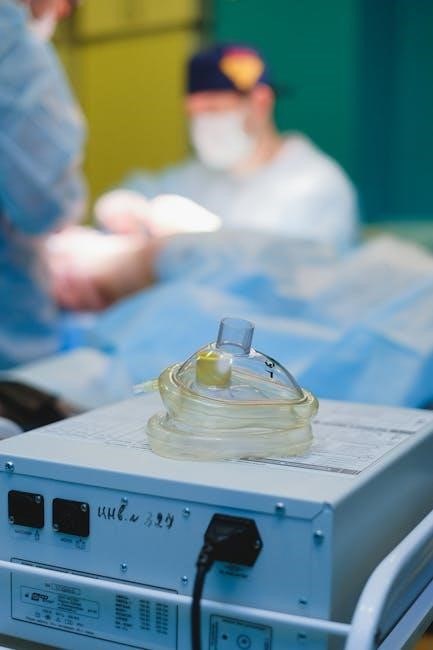
Laparoscopic surgery presents unique anesthetic challenges due to patient positioning, pneumoperitoneum, and potential for hemodynamic instability․ CO2 insufflation causes decreased venous return, increased systemic vascular resistance, and potential respiratory compromise․ Careful fluid management and maintenance of adequate preload are crucial․

Regional anesthesia, when feasible, can minimize sympathetic activation and postoperative pain․ Neuromuscular blockade is often utilized to optimize surgical conditions, requiring reversal at the end of the procedure․ Vigilant monitoring of cardiovascular and respiratory function is essential throughout the case․
C․ Anesthesia for Orthopedic Procedures
Orthopedic anesthesia requires careful consideration of patient positioning, potential for significant blood loss, and postoperative pain management․ Regional anesthesia techniques, such as nerve blocks and spinal/epidural anesthesia, are frequently employed for lower extremity procedures, offering excellent analgesia and reduced opioid consumption․
General anesthesia is often preferred for more complex or lengthy cases․ Intraoperative monitoring should include assessment of nerve function, particularly during procedures involving nerve manipulation․ Postoperative pain control is paramount, utilizing multimodal analgesia to optimize patient comfort and recovery․
VIII․ Postoperative Anesthesia Care
Postoperative care focuses on effective pain management and vigilant monitoring during the recovery phase․ Pain management protocols should incorporate multimodal analgesia, combining opioids with non-opioid medications to minimize side effects․ Recovery room monitoring includes vital signs, respiratory function, and neurological status, ensuring patient stability․
Discharge criteria are based on achieving adequate pain control, stable vital signs, and the ability to ambulate safely․ Patient education regarding pain management, wound care, and potential complications is crucial for a smooth transition home․ Prompt attention to any postoperative issues is essential․
A․ Pain Management Protocols
Effective pain management is paramount postoperatively, utilizing a multimodal approach․ Opioids remain valuable, but should be combined with non-opioid analgesics like NSAIDs and acetaminophen to reduce reliance and side effects․ Regional anesthesia techniques, when applicable, provide excellent postoperative pain control․
Patient-controlled analgesia (PCA) empowers patients to self-administer pain medication within safe parameters․ Non-pharmacological methods, such as ice packs and relaxation techniques, complement medication․ Regular pain assessments are vital, tailoring protocols to individual needs and minimizing suffering․
B․ Recovery Room Monitoring & Discharge Criteria
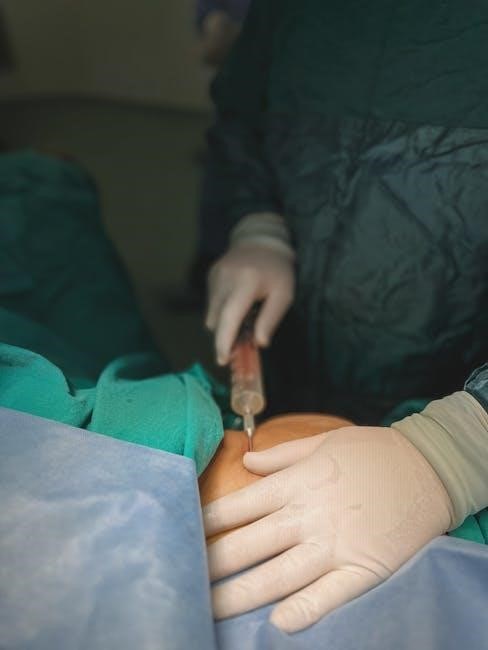
Post-anesthesia Care Units (PACUs) provide vigilant monitoring of vital signs – ECG, NIBP, pulse oximetry, and respiratory rate – until stability is achieved․ Pain levels are frequently assessed and managed․ Neurological function and wound status are also closely monitored․

Discharge criteria include stable vital signs, adequate pain control with oral medication, absence of nausea and vomiting, ability to ambulate, and comprehension of discharge instructions; Patients must demonstrate sufficient recovery before leaving, ensuring a safe transition home․
IX․ Emerging Trends in Anesthesia
Enhanced Recovery After Surgery (ERAS) protocols are gaining prominence, focusing on multimodal analgesia, minimized opioid use, and early mobilization to accelerate patient recovery․ Ultrasound-guided regional anesthesia offers precise nerve block placement, improving analgesia and reducing systemic opioid requirements․
Furthermore, advancements in patient monitoring technologies and pharmacological agents are continually refining anesthetic practices․ Telemedicine and remote monitoring are also emerging, potentially expanding access to specialized anesthesia care․ Collaboration and communication between surgical teams are also improving․
A․ Enhanced Recovery After Surgery (ERAS) Protocols
ERAS protocols represent a paradigm shift in perioperative care, emphasizing a multimodal approach to minimize physiological stress․ Key components include preoperative optimization, minimally invasive surgical techniques, and opioid-sparing analgesia․
Standardized protocols incorporate elements like carbohydrate loading, early feeding, and proactive mobilization․ Effective communication between the surgical, anesthesia, and nursing teams is crucial for successful implementation․ ERAS aims to reduce complications, shorten hospital stays, and improve patient satisfaction, ultimately optimizing postoperative outcomes․
B․ Ultrasound-Guided Regional Anesthesia
Ultrasound guidance has revolutionized regional anesthesia, enhancing precision and safety․ Real-time visualization allows for accurate needle placement, minimizing the risk of vascular or nerve puncture․ Techniques like nerve blocks—spinal, epidural, and peripheral—benefit significantly from this technology․
Improved block success rates and reduced local anesthetic volumes are key advantages․ Ultrasound also facilitates identification of anatomical landmarks and assessment of local anesthetic spread․ This technique is increasingly utilized for various surgical procedures, promoting better pain control and faster postoperative recovery for patients․
Leave a Reply